
Published by Dating After Divorce Guide
What creates a natural first-date conversation arc?
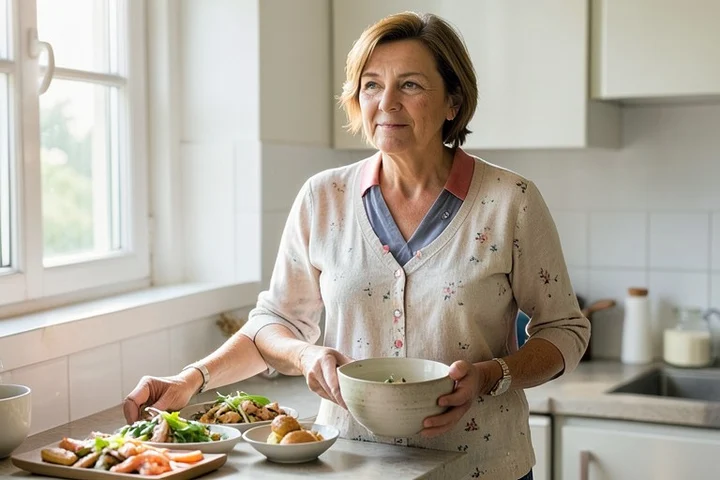
“I usually spend Saturday mornings at the farmers market, then I try one new recipe.” “What was the last one that actually worked?” “A lemon cake that looked lopsided but tasted good.” This illustrative exchange starts in present-day routine, reaches a specific story, and opens a small window into personality without demanding a polished answer.
Your follow-up can move gently from the story to preference: “Do you like cooking projects, or are you more of a favorite-restaurant person?” Starting with former-marriage details, a job résumé, or a string of broad questions often makes the date feel formal. Let the thread change when the answer has run its course.
Interests become engaging when they lead to a story
“I like hiking” gives little to hold. “I took a wrong turn on a trail last fall and ended up finding the best view of the day” gives your date a scene, a choice, and something to answer. A natural next question is: “Did that make you more careful with directions, or more willing to wander?”
Food, travel, work, family traditions, and nearby outings work the same way when you offer one detail. “My family always made too many desserts for holidays” invites a memory in return. Failure tends to appear when every interest receives a flat “me too,” or when one story becomes a long performance with no opening for the other person.
Future preferences can be explored without forcing a relationship forecast
“I’ve been trying to protect one quiet evening each week. How do you usually like to spend your downtime?” This illustrative reply addresses lifestyle and time use, not a commitment timetable. It also reveals whether you enjoy full social calendars, home-centered weekends, or a mix of both.
If the answer lands well, try: “That sounds appealing. I also like having plans to look forward to, but I need some unstructured time.” Questions that demand a label, a marriage plan, or certainty about a new relationship put weight on an early meeting. Broad hopes and present preferences are enough for a first conversation.
Comparable depth keeps disclosure balanced
“My divorce was difficult, but I’ve learned I value calmer communication now.” “I understand that. I’ve had a relationship that taught me to speak up earlier, too.” This illustrative exchange shares a small truth from each person without turning the table into a deposition or a confession booth.
After a personal answer, offer an opening of similar depth: “What has changed in how you approach dating?” If your date gives a brief reply, stay with lighter territory. Pressing for details, filling every pause with your own history, or asking several personal questions before sharing anything yourself creates an uneven conversation.
A graceful pivot protects topics that feel too sensitive
“What happened with your divorce?” “There’s more to that story than I want to cover on a first date, but I’m happy to say I’m focused on what comes next. You mentioned you like live music—what have you seen lately?” This response sets a boundary and supplies a new thread, so the pivot does not feel abrupt.
A shorter version works for finances, conflict, or painful experiences: “I keep that private at first, but I’d enjoy talking about something lighter.” Overexplaining the boundary invites further probing. Snapping at a well-intended question or answering reluctantly often leaves both people unsure where the conversation stands.
Brief silences do not mean the date has failed
A pause after ordering drinks does not require an emergency topic. “I’m glad we picked this place; the music is better than I expected,” gives the setting a simple role. Or return to an earlier thread: “I keep thinking about that lopsided lemon cake. Did you make it again?”
A quiet moment also leaves space to notice whether the other person picks up the conversation. Rapid-fire questions used to erase every pause can make both people tense. If no new subject arrives immediately, take a sip, look around, and allow the silence to be brief; a date does not need uninterrupted talking to feel easy.
If a topic feels too personal, try: “I keep that private at first, but I’d enjoy hearing more about your weekend.” It protects your boundary and keeps the conversation open.