
Published by Dating After Divorce Guide
The scam usually begins with accelerated emotional dependence
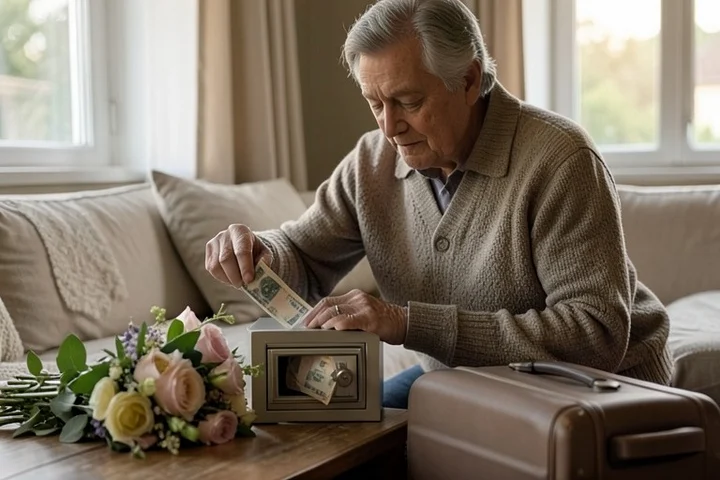
Romance scammers often create closeness at unusual speed: frequent messages, intense declarations, and claims that the connection is uniquely important. The Federal Trade Commission says scammers may move conversations off the dating platform and later ask for money; the FBI describes fabricated online identities used to gain trust and manipulate targets. Crisis stories—illness, travel trouble, legal problems, or an urgent work situation—can turn that emotional bond into pressure.
Repeated reasons to avoid meeting or live video strengthen the isolation: overseas work, poor connectivity, a family emergency, or a canceled trip followed by renewed affection. Requests to keep the relationship private or dismiss concerns from friends and relatives serve the same purpose. Treat accelerated intimacy combined with secrecy, crisis claims, or refusal to meet as a reason to pause communication, keep records, and discuss the situation with someone outside the relationship before sharing money or personal information.
Financial requests escalate from plausible favors to controlled access
The first request can sound temporary: help with an emergency bill, travel cost, fee, or loan. Later requests may involve gift cards, wire transfers, cryptocurrency, investments, account credentials, package forwarding, or receiving and moving money for a third party. The FTC and FBI identify requests for money as a central feature of romance scams, often after a fake identity has gained trust. A request to handle funds for someone else also changes the risk from private assistance to possible money-mule involvement.
Do not send money, share banking access, forward packages, or move funds while the person’s identity remains unverified. Stop the financial discussion and preserve the messages, payment details, wallet addresses, account numbers, and profile information. The FTC recommends ending contact and reporting suspected scams; the FBI advises reporting romance scams through the Internet Crime Complaint Center (IC3). These steps remain appropriate when the request is framed as an investment opportunity, a repayable loan, or the final payment needed to enable an in-person meeting. (Sources: Federal Trade Commission, “What To Know About Romance Scams”; Federal Bureau of Investigation, “Romance Scams.”)
A polished profile can still contain identity inconsistencies
Professional photos, detailed hobbies, and fluent messages do not establish that a dating profile belongs to the person shown. Warning signs include the same image appearing under different names, conflicting ages or occupations, an implausible location, scripted language that avoids specific questions, and repeated excuses for live video contact. The FBI describes romance scams as fake online identities used to gain trust, and advises researching profile photos before relying on the account.
A reverse-image search may show that a profile photo appears elsewhere under another name; the FTC includes this check in its advice for suspected romance scams. The search cannot establish who operates the account, and a clean result cannot verify identity. While checking whether basic biographical details remain stable, keep communication in the dating service. Refusal of reasonable live contact is a reason to stop sharing personal information and report the profile through the platform.
Can a dating profile be verified without confrontation?
Verification should test identity without disclosing more personal information. Keep early messages in the dating service, use its report and block controls when available, and request a brief live video call before sharing contact details or arranging financial involvement. A video call shows that someone can appear live, but it does not prove that the person owns the profile or uses the claimed name. The Federal Trade Commission recommends reverse-image searching profile photos, and the FBI advises researching those photos when romance fraud is suspected ([FTC](https://consumer.ftc.gov/articles/what-know-about-romance-scams); [FBI](https://www.fbi.gov/how-we-can-help-you/common-frauds-and-scams/romance-scams/view)).
Search a profile image with a reputable reverse-image tool, search distinctive biographical details independently, and compare names, locations, timelines, and writing across what the person has shared. Reused photographs, conflicting identities, an implausible location, scripted replies, or repeated refusal of live video warrant stopping the exchange and reporting the account; none of these checks proves identity alone. Do not confront the account, send identification documents, click unfamiliar verification links, or move the conversation to a private channel solely because the person insists.
Immediate action depends on what was exposed
- Money sent through a bank, wire service, gift card, payment app, or cryptocurrency requires prompt contact with the provider through its official website or phone number. Explain that the transfer involved a suspected romance scam and ask whether cancellation, recall, or account protection remains available. Recovery is not assured, but delay reduces the available options.
- Bank credentials or passwords require immediate contact with the financial institution, password changes from a trusted device, and review of recent account activity. Reused passwords require changes on every affected account. The suspected profile should no longer receive login codes, account details, or payment information.
- A driver’s license, passport, Social Security number, or other identity document requires records of exactly what was sent, when it was sent, and to whom. Financial institutions and relevant issuing agencies can then be notified through their official channels about possible misuse.
- Intimate images require preservation of the messages and account details before blocking or deleting them, followed by reporting the account through the dating platform. Threats to publish images, demands for payment, or repeated contact warrant local law-enforcement reporting; payment does not guarantee removal or silence.
- Home, workplace, or children’s location details require an end to further disclosure and a review of public profile and social-media visibility. In-person threats or attempts to appear at a residence or workplace require local law-enforcement contact. The FTC advises stopping communication and reporting suspected romance scams; the FBI directs victims to report through IC3.
US reporting creates records even when recovery is uncertain
Report through the dating platform’s in-app reporting channel and preserve the material first when practical. Save the profile URL, username, messages, phone numbers, email addresses, payment instructions, transaction receipts, and dates. If money was sent, contact the bank, card issuer, wire service, cryptocurrency platform, or other payment provider immediately. State that the transfer involved a suspected romance scam and ask which account-protection or transaction-reversal steps remain available; recovery is not guaranteed.
The Federal Trade Commission advises stopping communication, reporting the suspected scam, and using ReportFraud.ftc.gov. The FBI advises researching profile photos and reporting romance scams through the Internet Crime Complaint Center at ic3.gov. Include the preserved messages and payment records in those reports. Local law enforcement is the appropriate additional contact when the person makes threats, attempts extortion, or creates an immediate safety concern. These reports may not recover funds, but they document the account and transfer for the organizations handling the incident.
Recovery scammers often approach after the first loss
Anyone promising guaranteed fund recovery in exchange for an upfront fee should be treated as a possible second scam. Do not send another payment, share additional account details, or give the person remote access to a device. The Federal Trade Commission advises stopping communication and reporting suspected romance scams; the FBI directs victims to report romance scams through the Internet Crime Complaint Center (IC3). Those official channels create a record without requiring payment for help. Preserve messages, usernames, email addresses, payment records, and wallet or transaction details, then report the original scam and any recovery offer to the dating platform, the FTC, and IC3.
A convincing profile does not establish identity. Manufactured intimacy, off-platform pressure, financial requests, and refusal of reasonable verification justify stopping contact, preserving records, and reporting through the platform, payment provider, FTC, and IC3.
Where the factual details come from
- What To Know About Romance Scams — Federal Trade Commission
- Romance Scams — Federal Bureau of Investigation