
Published by Dating After Divorce Guide
A warning sign becomes more meaningful when it repeats or escalates
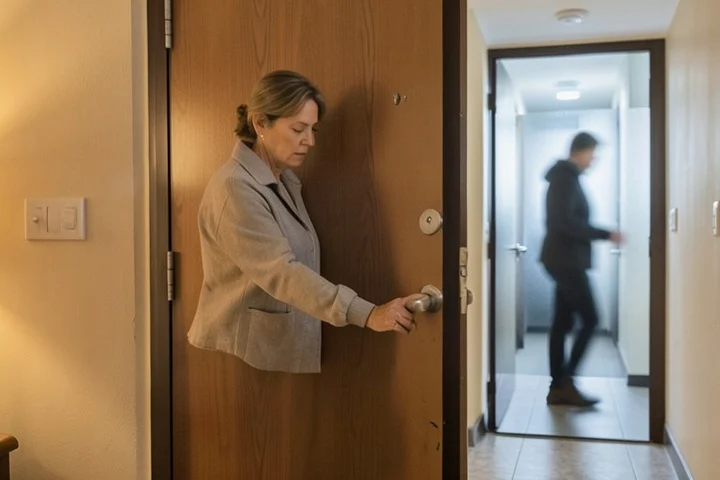
A lone awkward moment does not establish a relationship red flag. Misunderstood plans, a tactless comment, or a missed social cue can be repaired when the person acknowledges the impact, accepts a reasonable limit, and changes the conduct. What follows the concern carries more weight: accountability and lasting adjustment address the problem, while dismissal, blame, or repetition make continued contact riskier.
Some conduct warrants closer attention immediately, especially demands for money, loans, account access, intimate images, passwords, or constant location sharing. Sexual pressure after a refusal, threats to withdraw affection, and attempts to use private messages or photographs for leverage are exploitation signs, not dating awkwardness. Repeated requests, increasing demands, or retaliation after refusal raise the risk level. Limiting access, ending the exchange, and preserving relevant messages are proportionate responses when the behavior continues or escalates.
Pressure around pace, sex, money, or access deserves immediate attention
Pressure becomes a serious warning sign when a dating partner continues after a clear refusal or tries to make agreement costly. Examples include pushing for sex, exclusivity, private meetings, shared finances, loans, passwords, location access, or immediate replies. Attempts to weaken outside support—criticizing friends and family, demanding secrecy, or treating independent plans as disloyal—also indicate control. The evidence is the observable exchange: what was requested, what limit was stated, and how the person responded. A single poorly judged request followed by a direct apology and lasting change differs from repeated bargaining, guilt, threats, monitoring, or punishment. Slow the interaction when pressure continues; avoid sharing money, passwords, intimate material, or identifying details. End contact and block the person when coercion, threats, stalking, or sexual exploitation appears. Preserve messages and report the account or contact trusted support when harassment continues or immediate safety is at issue.
Inconsistency can point to concealment rather than simple dating awkwardness
Conflicting claims about a name, relationship status, job, location, or availability warrant attention when the account changes after a direct question. The relevant evidence is specific: a person says they live alone but is never available to call or meet outside narrow hours; describes being divorced, then refers to a current spouse; or gives work and travel details that no longer match earlier messages. One mistaken date or muddled story is not proof of deception. Repeated revisions, evasive answers, and requests for secrecy create a stronger basis to pause contact. Verification should stay limited to public information and what the person voluntarily shares; do not access accounts, track a device, contact employers, or investigate family members. A concise request for clarification, followed by distance if the explanation keeps shifting, protects privacy and limits further exposure.
A boundary response is one of the clearest practical tests
A small, clear limit supplies observable evidence: “I’m not available tonight,” “I won’t share my home address yet,” or “I want to leave by 9.” A person need not like the limit, but a safe response accepts it without a penalty. Anger, ridicule, repeated bargaining, sulking, sudden withdrawal of affection, or accusations that the limit proves distrust shift the issue from a scheduling preference to pressure for compliance.
State the limit once without a long defense, then note what happens in later contact. Choosing another time, meeting in public, or dropping the subject supports continued caution at the existing pace. Reopening the same limit repeatedly, especially after a refusal, calls for slower or ended contact. Save messages and block the person if pressure continues through new accounts, calls, or unwanted visits.
The protective action should match the level of danger
A single concern without pressure or threat supports slowing the pace: limit personal details, meet only in public, and wait for conduct to become clearer. Repeated deception, unwanted sexual contact, requests for money, or efforts to control where you go and whom you speak with justify ending contact. Blocking is appropriate when messages continue after contact has ended; platform reporting creates a record when an account violates its rules. Save screenshots, dates, voicemails, and records of unwanted visits or threats; arguing about them will not make them safer. Harassment, stalking, threats, or immediate danger warrant telling a trusted person and contacting local law enforcement or emergency services.
Before you move on
Does one awkward comment automatically indicate a relationship red flag?
No. A single poor joke, late reply, or social mistake provides limited information. Concern grows when the person dismisses its impact, repeats the conduct after it is identified, or escalates after you state a reasonable limit. How someone responds to correction tells you more than the isolated incident.
What should a dater do when someone’s relationship status or personal story does not add up?
Pause private disclosures, avoid financial or logistical commitments, and limit contact while checking only information that is publicly available and relevant to personal safety. Do not attempt invasive investigation or confrontation. Continued evasiveness, pressure to keep the relationship secret, or conflicting claims about a spouse or partner supports ending contact.
When should contact end immediately instead of being slowed down?
Immediate disengagement is appropriate for threats, stalking, blackmail, nonconsensual sexual pressure, demands for money, identity or account access, or attempts to locate someone after contact has ended. Blocking and reporting can limit further access. Harassing messages should be retained, and trusted personal, platform, local crisis, or emergency support can be contacted when safety is at risk.
The response to a reasonable limit tells you the most. Repetition, escalation, and retaliation call for less access. When danger or harassment appears, save the relevant records and involve appropriate support.