
Published by Dating After Divorce Guide
Why dating can feel threatening after a marriage ends
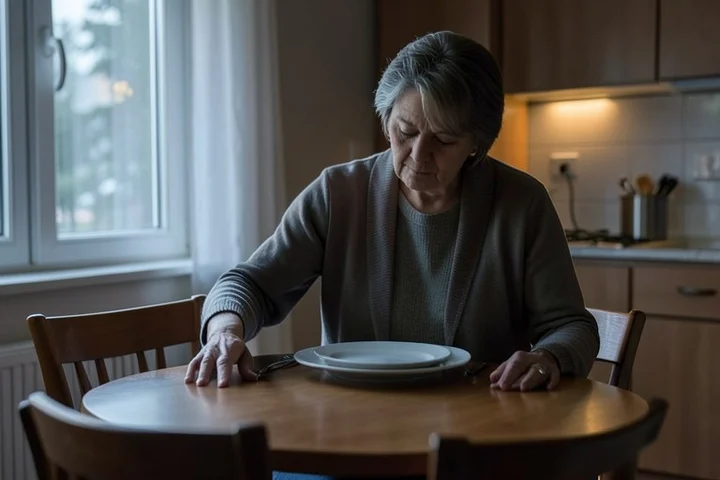
A message from someone new, an invitation to meet, or the first hint of attraction can produce an alarm that seems larger than the moment itself. Divorce often leaves more than the loss of a marriage: it disrupts routines, identity, expectations about permanence, and the familiar role a person occupied for years. Where betrayal, chronic conflict, emotional neglect, or a difficult ending were part of the marriage, the mind has also learned to connect intimacy with a possible cost. Dating again after divorce therefore asks someone to enter uncertainty in the very area where certainty once broke down. Fear of rejection, betrayal, or repeating an old pattern is not necessarily a judgment about any one new person; it is often a protective response to what the prior relationship taught them to expect.
That expectation becomes especially forceful after a long marriage because dating also brings unfamiliar tasks and exposure. Choosing whom to meet, stating preferences, receiving interest, and tolerating the possibility that a connection will end all require a self that may still be taking shape outside the former partnership. The fear sometimes concerns the meaning attached to dating: another loss, another mistaken choice, or pressure to rebuild a life that no longer fits. The experience changes when a new encounter is treated as its own event, even while the old relationship has made uncertainty feel more dangerous than it is.
Fear is not always evidence that dating is unsafe
Protective caution earns its place when it draws attention to conduct in the present. Someone who ignores a stated limit, rushes emotional or physical closeness, changes their story, or treats discomfort as something to overcome gives the other person information worth taking seriously. Unease in those circumstances connects to observable behavior and supports distance. Fear takes another route when it supplies a finished story before anything has happened: a delayed response predicts abandonment, kindness foretells manipulation, or a normal disappointment becomes the expected end of dating. The feeling is real in both cases, but the present situation is doing different work.
Avoidance offers immediate relief by ending the uncomfortable situation before uncertainty has to be felt. The prediction behind the fear then remains untouched, leaving every possible date with the force of a threat. Caution sets a pace and protects personal limits while allowing events to unfold. This distinction does not dismiss intuition or require trust in everyone. It changes the question from whether fear is present to whether what is happening now supports the conclusion fear is urging. Dating after divorce then becomes a response to the person in front of someone, not an automatic replay of the former relationship.
How triggers can distort a new person’s behavior
Triggers can collapse time: a present detail resembles an old wound, and the body reacts as if the former conditions have returned. A delayed reply is one common example. When silence once preceded withdrawal, deception, or punishment in a marriage, several hours without a message may bring urgency, anger, or the urge to end contact first. Several explanations remain possible, including ordinary obligations, a different communication rhythm, or declining interest. A pattern and the person's later conduct give the delay more meaning. The emotional reaction offers important context about the past, yet it cannot establish the intention of the person in front of them.
Disagreement and affection can create the same compression. A difference of opinion may feel like the opening move of a familiar escalation and lead someone to withdraw before the conversation develops. Warmth and attentiveness may also feel unsafe when affection once served to gain control or create obligation. In an illustrative situation, a newly divorced person feels tense after a date becomes more personal and assumes that slowing the exchange will provoke anger. When the other person accepts a slower pace without argument, that response supplies present-day information the old relationship never offered. With further interactions, specific conduct becomes easier to separate from the memory it awakened.
A gradual return that does not require forced optimism
A gradual return works because it reduces the claim being tested. Rather than treating dating as a decision about a future partnership or remarriage, a person begins with a smaller encounter with uncertainty: a conversation with someone new, a brief exchange that ends when they choose, or a low-stakes social setting. From there, a short date offers a more concrete experience without requiring emotional commitment. Each stage gives the person a chance to notice two kinds of evidence at once: how the other person behaves and what happens internally when apprehension rises. The aim is not to feel fearless before taking the next step. It is to learn whether discomfort settles, whether boundaries hold, and whether the situation remains consistent with what was agreed.
This pace also suits someone dating after divorce who does not want to remarry or has yet to decide what form a later relationship should take. A first meeting need not prove readiness for a serious relationship. Afterward, separate what occurred from what was predicted: whether a limit was respected, whether conversation felt tolerable, and whether the strongest fear came from current behavior or an old association. A pause after that review supports the process. Repetition at a tolerable level gradually changes the expectation that every opening toward connection must reproduce the conditions of the marriage.
When outside support is the more appropriate next move
Some fear does not ease with a slower pace because it is tied to distress that typical dating experience is unlikely to resolve. Panic, intrusive memories, severe sleep disruption, persistent dread that affects daily functioning, or an inability to remain present during even minor social contact suggest that more dating practice is not the central need. Qualified mental-health support offers a setting to address the aftermath of the relationship without making a new date responsible for repairing it. This is particularly relevant after coercion, abuse, or betrayal that continues to shape a person’s sense of safety. There is no universal timeline for becoming ready, and choosing not to date while that work is underway is a valid outcome.
Outside help is also appropriate when danger is current rather than remembered, including ongoing harassment, threats, violence, or pressure from a former spouse or a new acquaintance. In an immediate emergency, contacting local emergency services or a crisis resource takes priority over working through dating fears. For less immediate but persistent distress, professional support can help separate a realistic protective response from an alarm system that has remained activated after the original threat ended. The practical change is modest but consequential: the task stops being to push through fear and becomes to create enough stability that future choices about dating again are genuinely voluntary.
Fear becomes more useful when it is treated as information to interpret, not a verdict to obey. Separating present conduct from old predictions allows dating after divorce to proceed at a pace that protects safety without making the past the author of every new connection.